Traveling to Egypt for the first time is one of those bucket-list dreams that feels both exciting and a little intimidating. On one hand, you’re heading to a country filled with ancient pyramids, legendary temples, and stories that go back thousands of years. On the other hand, you might be wondering: Is Egypt safe? What should I wear? How do I plan everything without feeling overwhelmed?
This guide is written for first-time visitors who want honest, practical advice—without fear-mongering or sugarcoating. If you want to enjoy Egypt confidently, respectfully, and comfortably, this is everything you should know before you land.

The best time to visit Egypt depends largely on the traveler's itinerary and preferences. For those wanting to explore the iconic Pyramids of Giza, it's best to avoid the summer months when temperatures can soar above 100°F. The months between December and February offer cooler temperatures, with highs around the 60s°F, making them ideal for sightseeing.
For beach lovers heading to Hurghada or Sharm El-Sheik, October, November, March, and April offer the best conditions. During these months, visitors can expect plenty of sunshine and temperatures around 80°F, occasionally reaching the low 90s°F.
Budget-conscious travelers might consider visiting during the off-season, between May and August, when flight and hotel deals are more readily available. However, it's important to keep in mind that these months bring harsh desert temperatures.

No trip to Egypt is complete without visiting the iconic Pyramids of Giza. Located just southwest of Cairo, these ancient wonders stand as a testament to the ingenuity of the pharaohs. The Giza Plateau boasts six pyramids, including the Great Pyramid of Khufu, the Pyramid of Khafre, the Pyramid of Menkaure, and the enigmatic Great Sphinx.
For first-time visitors, getting up close to the Great Pyramid is a must. The sheer size of the limestone blocks is awe-inspiring, offering a glimpse into the monumental effort required to build these structures nearly 5,000 years ago. While the entrance fee for the Great Pyramid is higher at 900 EGP compared to 220 EGP for Khafre or Menkaure, the opportunity to enter an Ancient Wonder of the World is unparalleled.
Luxor, often referred to as the world's greatest open-air museum, is home to the famous Valley of the Kings. This ancient burial ground houses the tombs of Egypt's New Kingdom pharaohs, including the renowned King Tutankhamun. With over 60 tombs in the valley, visitors can explore three tombs with a standard admission ticket.
For an unforgettable experience, consider taking a morning hot-air balloon ride over the Valley of the Kings. This breathtaking journey offers a unique perspective on the vastness of the valley and the contrast between the lush Nile banks and the arid Sahara.
A Nile River cruise is an excellent way to experience Egypt's rich history and culture. Many cruise lines offer itineraries that combine visits to Cairo, Luxor, and Aswan, allowing travelers to explore iconic sites like the Karnak Temple complex and the Philae Temple.
For luxury seekers, top-tier cruise lines such as Uniworld, Viking, Sanctuary Retreats, and Abercrombie & Kent offer premium experiences on the Nile. These cruises often include guided tours to major attractions, providing in-depth insights into Egypt's fascinating past.
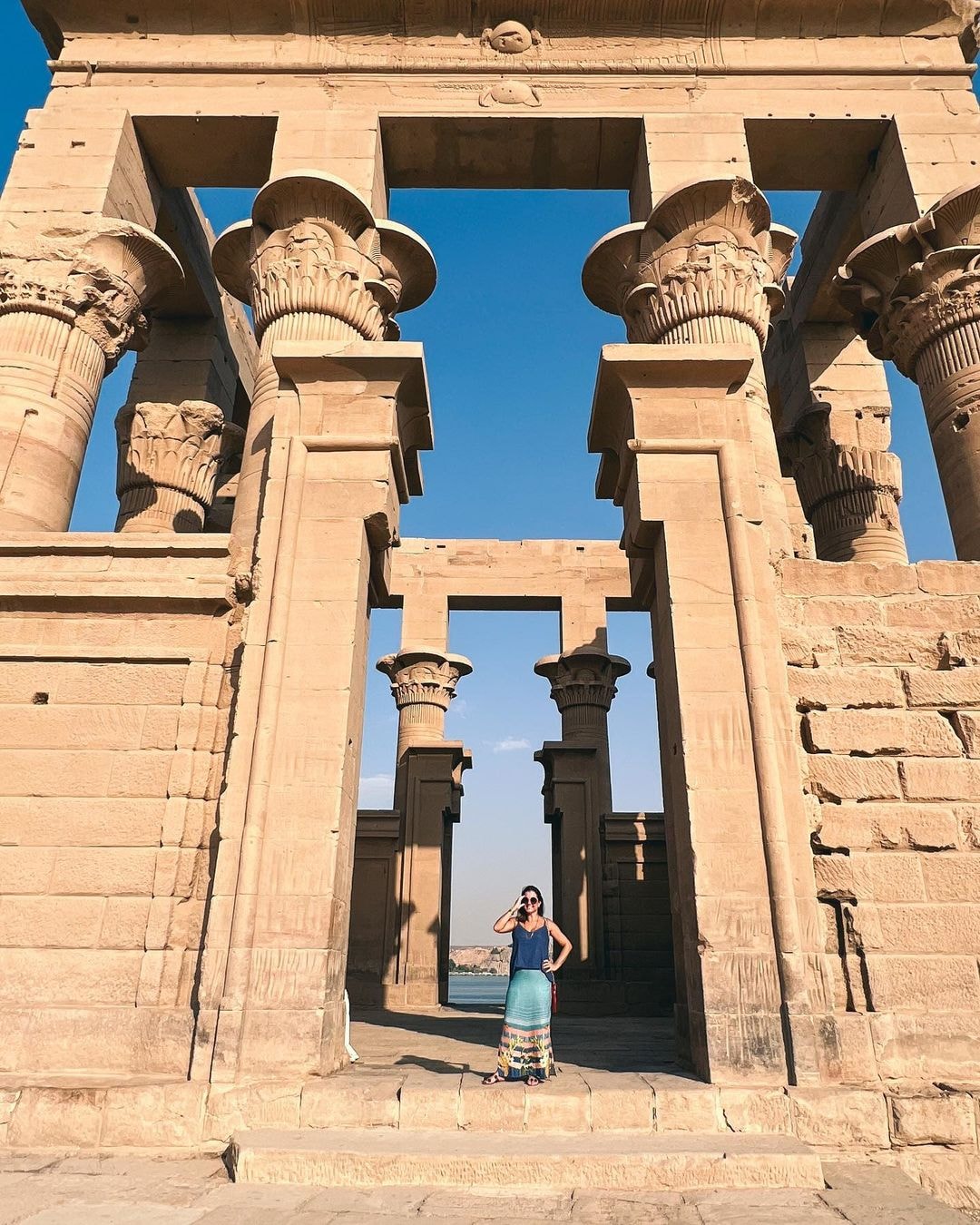
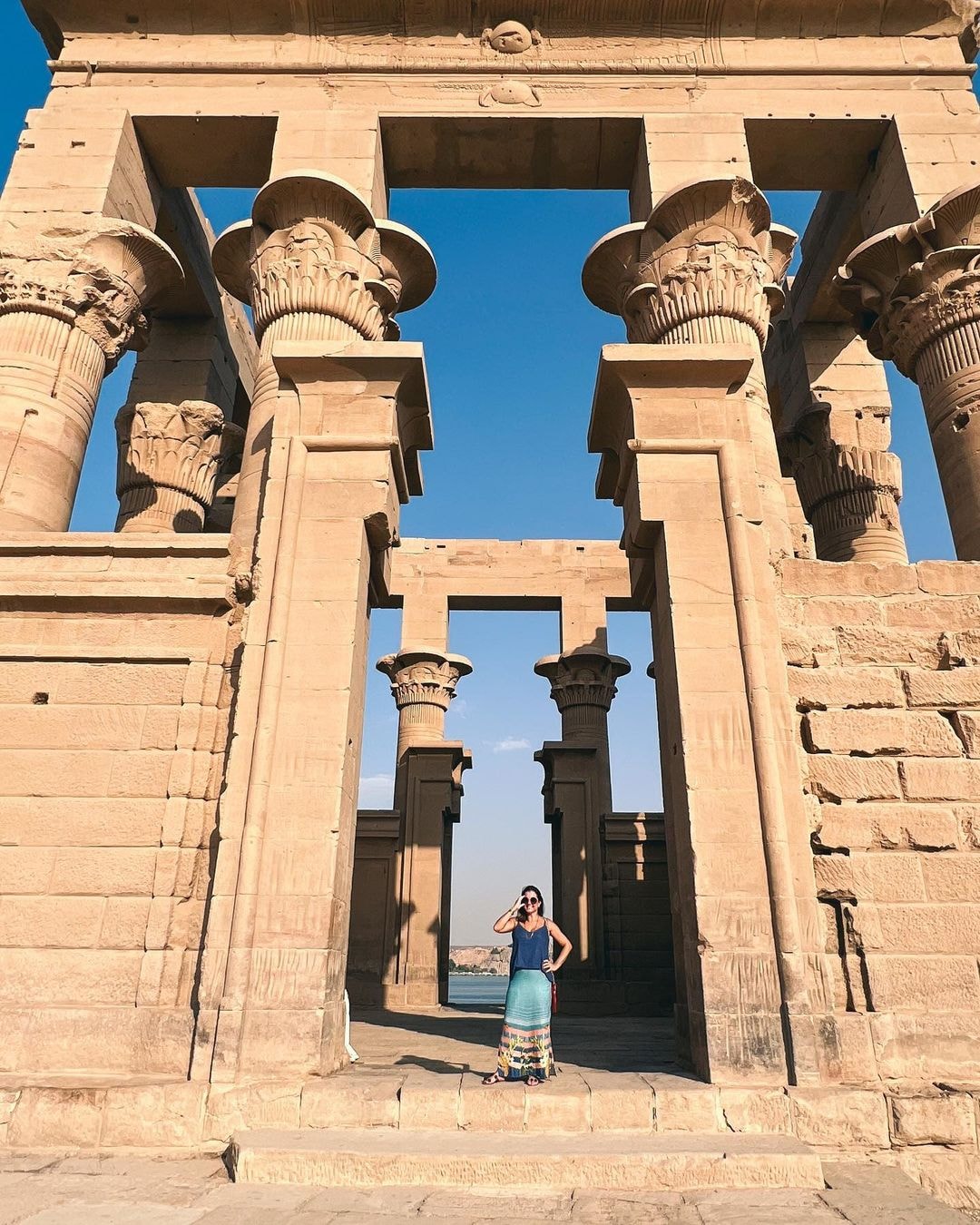
Aswan is a picturesque city on the Nile River, famous for its stunning river views and vibrant Nubian culture. Key attractions include the Philae Temple, dedicated to the goddess Isis, and the High Dam, a marvel of modern engineering. Visitors can enjoy a relaxing felucca boat ride on the Nile, explore the colorful Nubian villages, and experience the peaceful beauty of the river in contrast to Egypt’s bustling cities.
The Grand Egyptian Museum, located near the Giza Pyramids, is the world’s largest archaeological museum. It houses thousands of artifacts, including King Tutankhamun’s treasures, and showcases Egypt’s history in a modern, state-of-the-art facility. GEM offers interactive exhibits, immersive displays, and an opportunity to see pharaonic relics like never before. For history enthusiasts, visiting GEM is a must to gain a deeper understanding of ancient Egyptian civilization.

Understanding local customs can greatly enhance the travel experience. In Egypt, Islam plays a significant role in shaping social norms. When greeting others, it's customary to address all present individuals. Younger people often show deference to elders, using special terms of address for older relatives and non-relatives alike.
Eye contact is generally acceptable and seen as a sign of respect, but Islamic customs discourage prolonged eye contact between males and females. Public displays of affection are uncommon and should be avoided. When offered a compliment, it's polite to reciprocate or extend well wishes invoking Allah's blessings if the person is Muslim.
Egypt has implemented robust security measures to ensure visitor safety. Tourists can expect a strong police presence at major attractions, hotels, and on highways. Many hotels, especially in Cairo, have stringent security protocols, including metal detectors and x-ray screeners for bags.
The country has designated tourist police to protect visitors, easily identifiable by their shoulder badges. For groups larger than 5-6 people, a private security guard may be mandatory, depending on the nationality. While the heavy security presence might seem surprising at first, it ultimately contributes to a sense of safety for travelers exploring Egypt.

Egypt's timeless allure and rich cultural tapestry offer an unforgettable experience for first-time visitors. From the awe-inspiring Pyramids of Giza to the serene Nile River cruises, the country influences travelers with its blend of ancient wonders and modern vibrancy. By keeping in mind the essential planning tips, respecting local customs, and prioritizing safety, visitors can fully immerse themselves in Egypt's captivating history and warm hospitality.
As you prepare to embark on your Egyptian adventure, remember that each step you take is a journey through millennia of human achievement. The memories you create will last a lifetime, from exploring ancient tombs to savoring local cuisine. Egypt awaits, ready to unveil its secrets and leave you with a deep appreciation for its enduring legacy.
Q1. What are some important etiquette tips for visitors to Egypt?
When in Egypt, avoid placing your feet on a table or pointing the soles of your shoes towards others, as this is considered disrespectful. It's also advisable not to pet street dogs and cats unless you are fully vaccinated and prepared for potential bites or scratches. Additionally, the use of drones is prohibited in the country.
Q2. What should I be aware of before traveling to Egypt?
Before flying to Egypt, ensure you declare any items that might be prohibited or subject to taxes or duties. You are allowed to carry up to 5,000 Egyptian pounds in or out of the country. While there is no limit on the amount of foreign currency you can bring, amounts exceeding 10,000 US dollars must be declared upon arrival.
Q3. What advice is offered to tourists visiting Egypt?
Tourists in Egypt should always respect local traditions, customs, laws, and religions. Be particularly cautious not to offend local sensibilities, especially during Ramadan or in religious areas. Dress modestly, particularly in rural areas, mosques, and markets. Public displays of affection are generally frowned upon.
Q4. How should I plan my first trip to Egypt?
For your first visit to Egypt, consider these ten tips: Book your tickets well in advance as popular attractions can become very crowded. Stay hydrated as the climate is typically hot and dry. Show respect for the culture by asking permission before taking photos of people or private property.
Q5. How should I dress in Egypt?
I aim to dress modestly, covering my shoulders and knees, especially when visiting mosques, rural areas, or markets. Lightweight, breathable clothes are best for the heat.
Q6. When is the best time to visit Egypt to avoid extreme heat?
I plan my sightseeing trips between December and February for cooler weather around the Pyramids and major attractions. For Red Sea beaches, I choose October, November, March, or April.
Find Related Tours

All Egypt Tours Magazine

Hurghada beyond the resorts offers local markets, family-run restaurants, desert adventures, shore diving, and authentic Red Sea culture.

A complete family travel guide to Egypt with kids, covering pyramids, temples, Nile cruises, Red Sea adventures, and practical tips for a safe, fun, and memorable trip.

Egypt in November offers warm days, cool nights, and ideal travel conditions for sightseeing, Nile cruises, deserts, and Red Sea adventures.
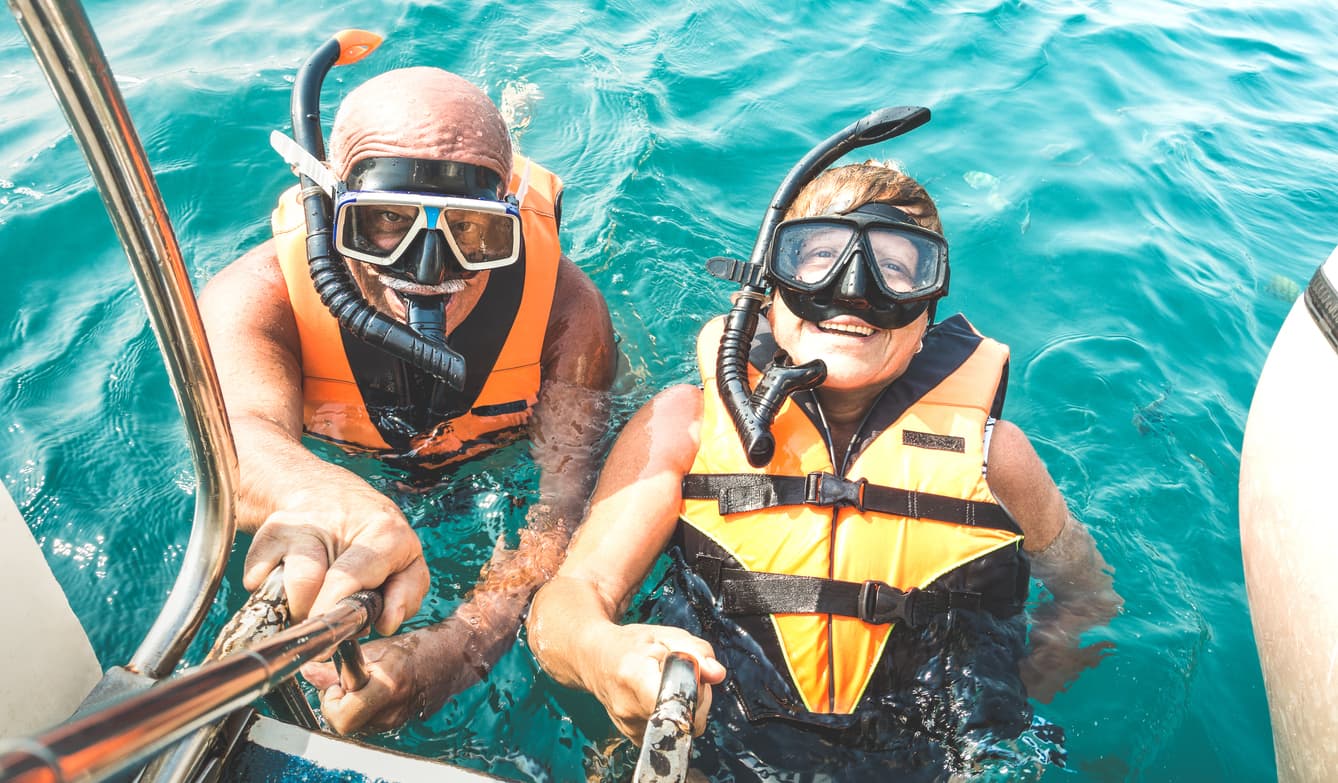
Explore the world's most spectacular coral reefs and discover why the Red Sea offers the planet's best snorkeling experiences
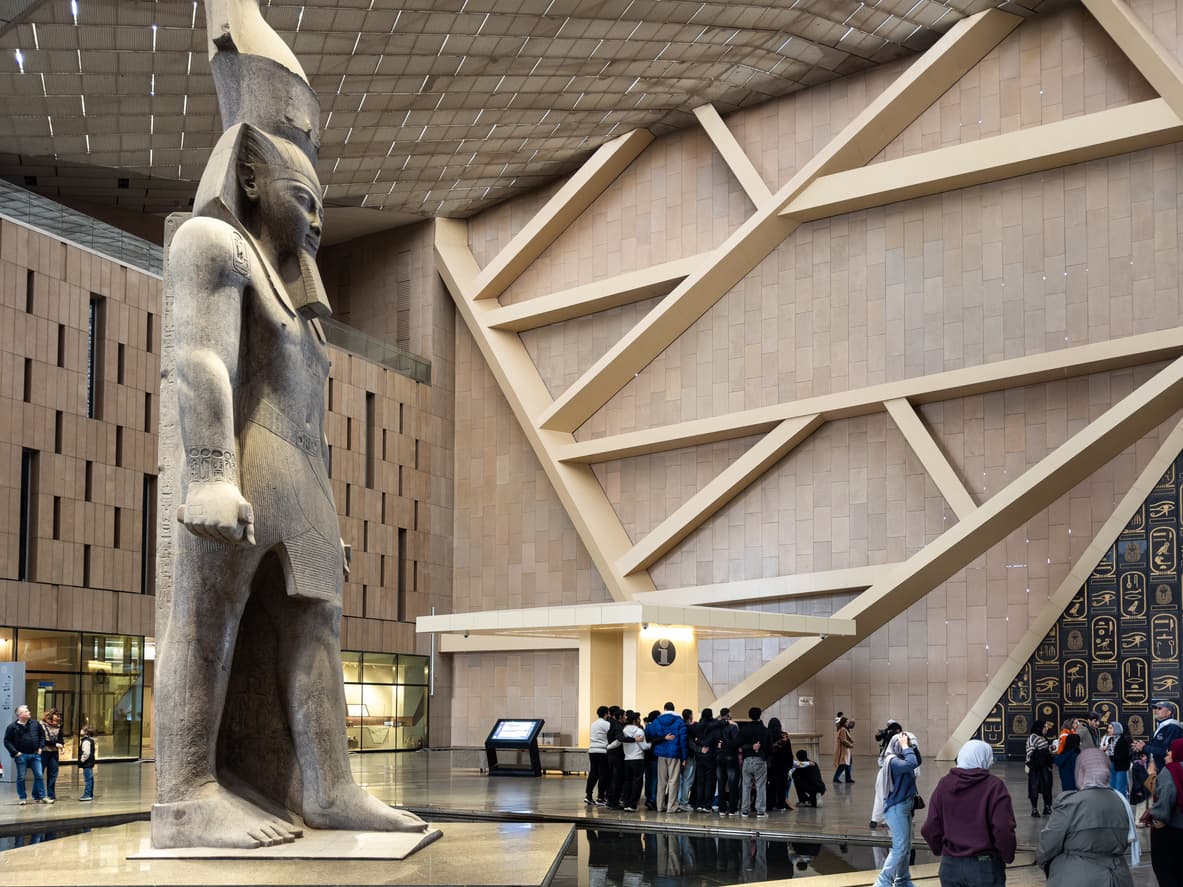
Your ultimate Grand Egyptian Museum Guide: explore highlights, practical advice, and insider tips to make the most of your museum adventure.
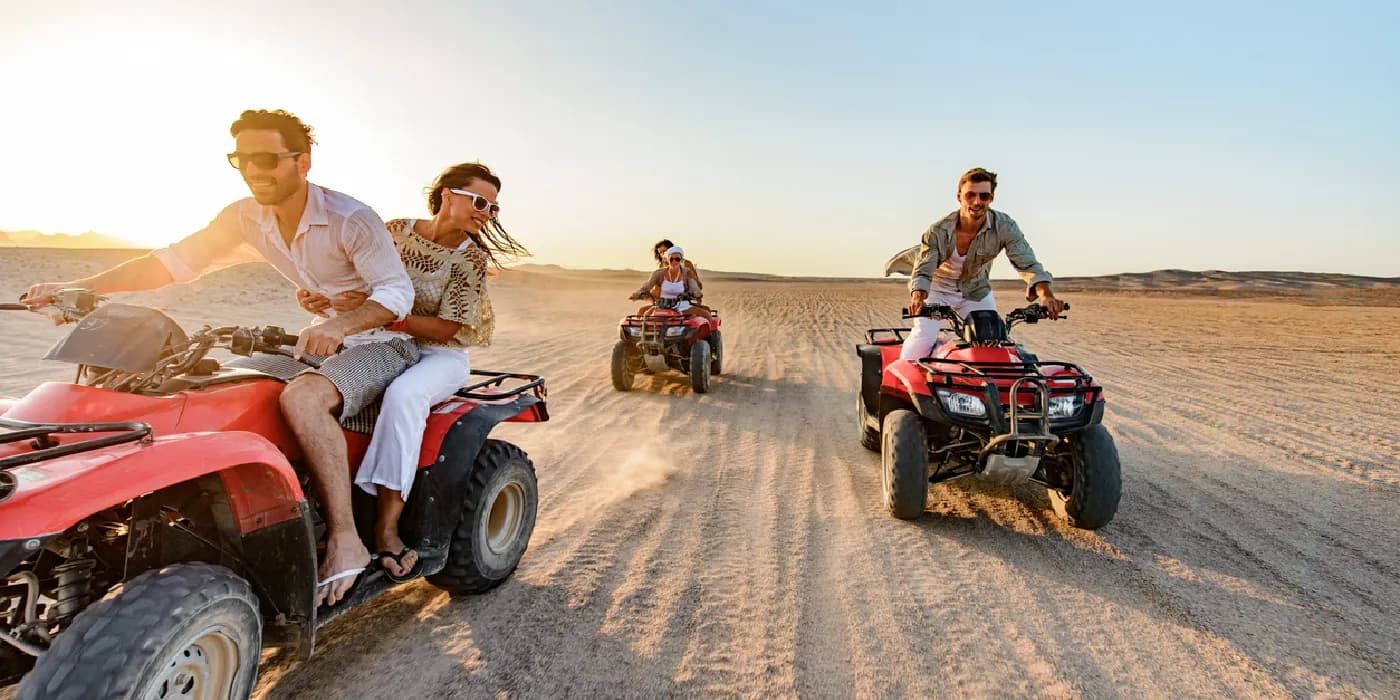
From the White Desert to Siwa Oasis, discover the best Egypt desert adventures, including stargazing, and unforgettable safari experiences.
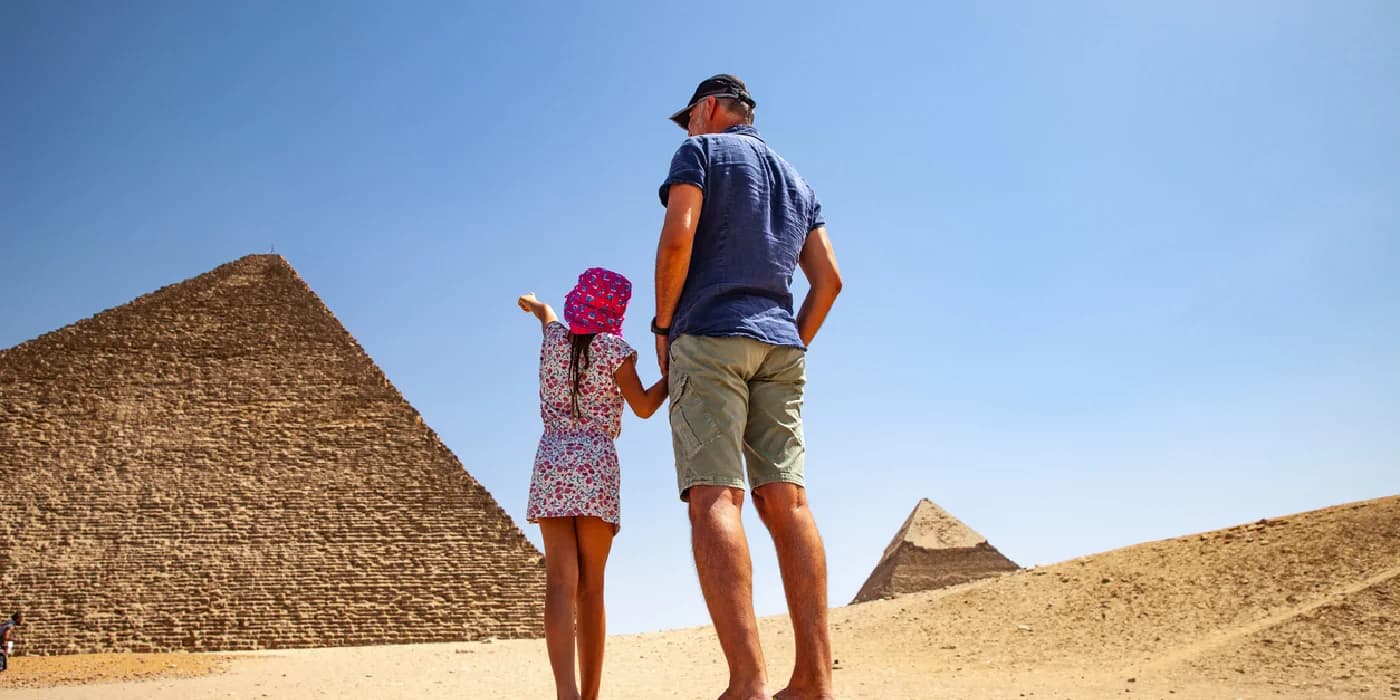
Discover the best places and activities for kids in Egypt, from the pyramids and Nile cruises to Red Sea beaches, and family-friendly experiences.


© Copyright 2026 Go All Egypt Tours. All Rights Reserved.