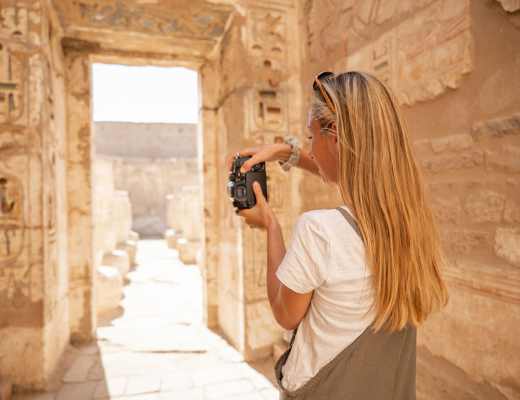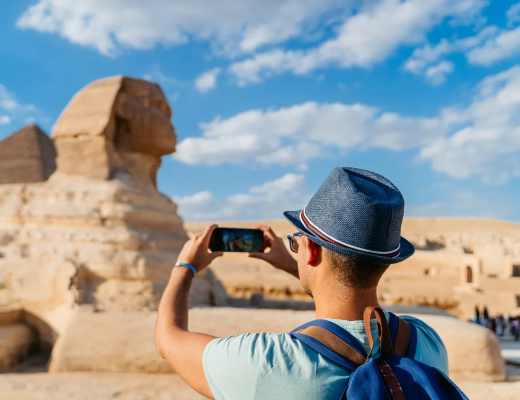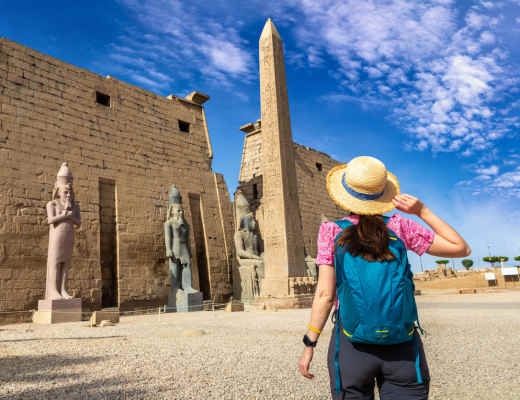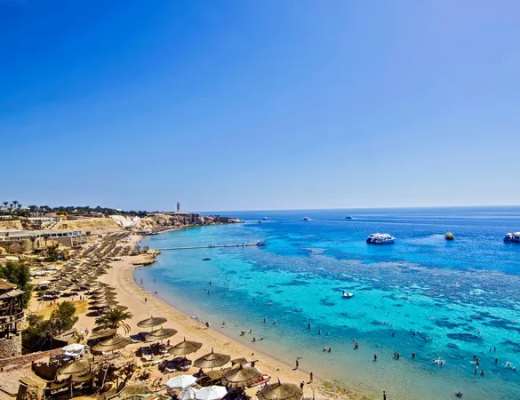
Welcome to Egypt's most comprehensive collection of tour packages designed to showcase the best of this ancient civilization. Our Egypt tour packages cater to every traveler, from budget-conscious adventurers to luxury seekers, families to solo explorers, and history enthusiasts to beach lovers, offering over 100 carefully crafted itineraries spanning 3 to 15 days.
Explore Egypt's Iconic Cities
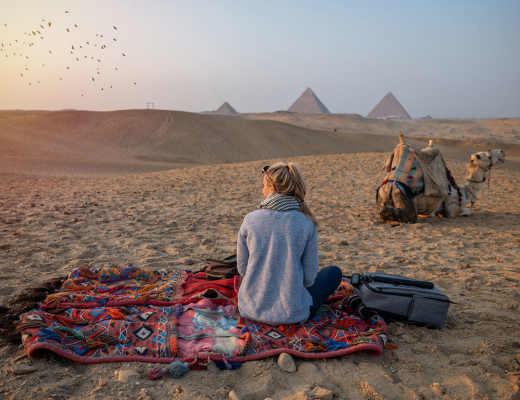
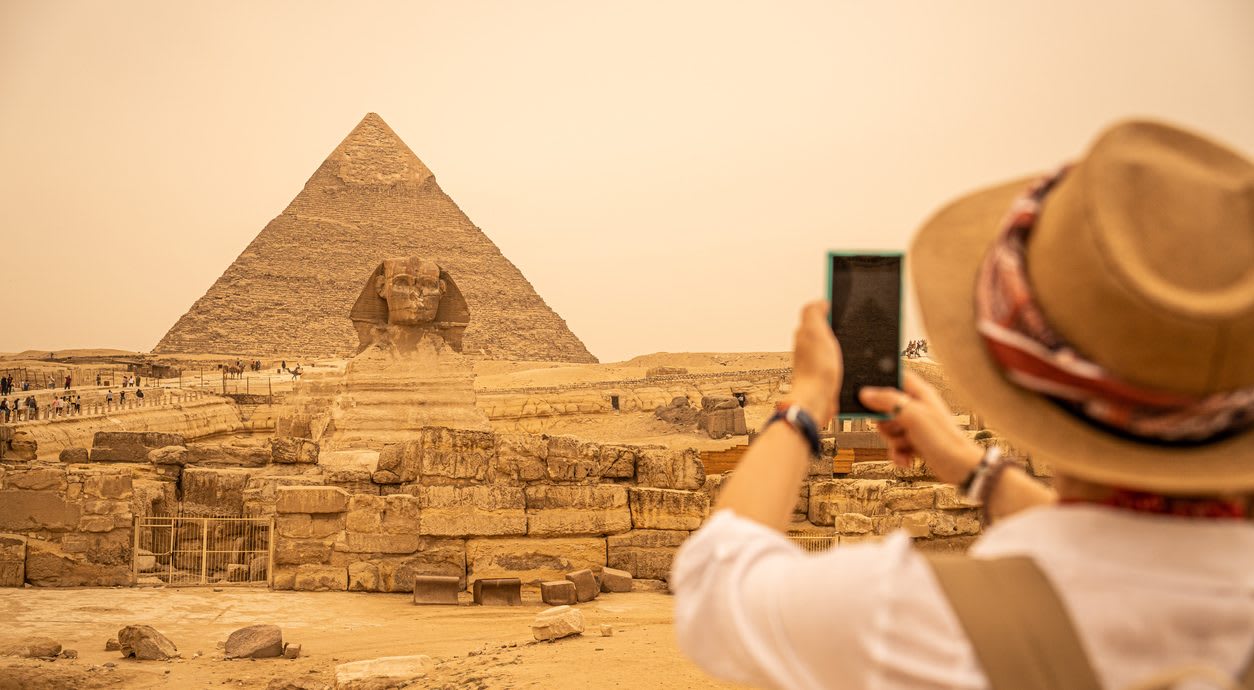
- Your Egypt tour package adventure begins in Cairo, where the legendary Pyramids of Giza stand eternal against azure skies. Stand in awe before the Great Pyramid, the last surviving Wonder of the Ancient World, explore the mysterious Sphinx, and discover King Tutankhamun's treasures at the Grand Egyptian Museum. Wander through bustling Khan el-Khalili bazaar, visit the Citadel of Saladin, and explore Old Cairo's Coptic and Islamic heritage.
- Journey to Luxor, the world's greatest open-air museum, where the magnificent Karnak Temple complex spans 200 acres with 134 towering columns. Explore the Valley of the Kings containing over 60 royal tombs, marvel at Queen Hatshepsut's stunning temple carved into desert cliffs, and witness the Colossi of Memnon standing guard. Cross the Nile to visit elegant Luxor Temple, beautifully illuminated at night.
- In Aswan, experience authentic Nubian culture while visiting the graceful Philae Temple on its island sanctuary, witness the impressive High Dam, and take optional excursions to Abu Simbel's colossal temples. Sail on traditional feluccas, explore colorful Nubian villages, and shop in vibrant souks.
- Discover Alexandria, Egypt's Mediterranean pearl, with its stunning Bibliotheca Alexandriana, ancient Catacombs, Qaitbay Citadel, and beautiful Corniche. Explore Greco-Roman history, enjoy fresh seafood, and experience coastal charm.
- Red Sea Paradise
Complete your Egypt tour package with beach relaxation in Hurghada or Sharm El Sheikh. Dive into crystal-clear waters teeming with colorful coral reefs, snorkel alongside tropical fish, or simply unwind on pristine sandy beaches at world-class resorts.
Premium Amenities Throughout
Every Egypt tour package includes luxury 5-star hotels, expert Egyptologist guides, private air-conditioned transportation, comprehensive entrance fees, and 24/7 support. Many packages feature Nile cruises with full-board dining, airport transfers, and domestic flights.
Why Choose Our Egypt Tour Packages
With 14,000+ five-star reviews, #1 TripAdvisor rating, best price guarantee, flexible booking, and decades of expertise, we're Egypt's most trusted tour operator. Our packages offer exceptional value, transparent pricing with no hidden costs, and guaranteed departures year-round.
Book your Egypt tour package today and experience the journey of a lifetime!
Classic Trip to Egypt: Cairo & Nile Cruise by Air
Take a cultural Trip to Egypt visiting Cairo, Luxor, Aswan, and sailing the Nile. Experience iconic landmarks and temples. Book your tour now!
Cairo and Luxor Tour by Sleeper Train
Cairo Pyramids to Luxor temples by sleeper train — 6-day private Egypt tour.
4-Day Cairo Tour
Enjoy a private Cairo tour with professional guides and smooth transfers. Book your customized trip now.
Classic Egypt Tour: Cairo and Nile by Train
Explore Cairo, Luxor, Aswan, and the Nile on a classic egypt tour. Visit pyramids, temples, and historic sites. Secure your journey today!
5-Day Cairo and Luxor Tour
Your perfect Cairo and Luxor tour awaits! Discover Giza pyramids, Valley of Kings & Karnak Temple. All-inclusive packages, expert guides. Plan now!
Cairo and Nile Cruise Package: 9 Days from the Pyramids to the Valley of the Kings
Cairo, Saqqara & a 5-star Nile cruise — temples, tombs and local life across 9 days.
Egypt and Nile Cruise Tour in 7 Days
Egypt and Nile cruise packages for curious travelers. Explore pharaohs' temples, royal tombs and timeless ruins. Request a personalized quote and book today!
Egypt Package: Pyramids, Nile Cruise, and Abu Simbel
Experience magic with Egypt package! Sail past temples, explore pharaohs' tombs & uncover ancient secrets. Luxury cruises, unforgettable moments. Reserve now!
Egypt Vacation - Cairo Nile Cruise Hurghada Tour
Take an unforgettable Egypt vacation, combining historic sites, scenic Nile cruise, and Red Sea leisure. Book your adventure today!
Hurghada & Nile Cruise Tour — 14 Days of Red Sea Beaches & Upper Egypt Temples
5 days Red Sea beaches then a 7-night Nile Cruise — the ultimate 14-day Egypt package.
Budget Egypt Tour — 8 Days Cairo, Nile Cruise, Abu Simbel & Alexandria
Ancient temples, Nile sunsets and pharaohs' tombs — Egypt's greatest wonders in 8 days.
8-Day Egypt Itinerary: Cairo, White Desert National Park & Luxor
The ultimate 8-day Egypt itinerary — Pyramids, White Desert camping and Luxor temples in one trip.
Egypt Budget Tour: 9 Days Cairo, Aswan & Luxor
9 days in Cairo, Aswan & Luxor. Pyramids, Abu Simbel, Karnak, Valley of the Kings; every iconic site covered!
10 Days Egypt Tour: Cairo, Nile Cruise, Hurghada & Alexandria
Pyramids, Nile Cruise, Red Sea beaches & Alexandria — the complete 10-day Egypt tour.
Frequently Asked Questions
What is the best time to visit Egypt?
The best time to visit Egypt is during the cooler, mild season from September to May. This period offers pleasant weather for exploring Egypt’s most famous attractions, including the Pyramids of Giza in Cairo, the temples of Luxor and Aswan, and Nile River cruises.
- Autumn (September–November): Ideal for sightseeing with warm days and cooler evenings.
- Winter (December–February): Peak travel season; perfect for visiting ancient temples, tombs in the Valley of the Kings, and museums in Cairo.
- Spring (March–May): Comfortable temperatures, great for both cultural tours and relaxing at Red Sea resorts like Hurghada and Sharm El-Sheikh.
While summer (June–August) is hot, especially in Upper Egypt (Luxor and Aswan), it’s still a good time to enjoy Red Sea beaches with fewer crowds and lower prices.
By planning around the seasons, you can make the most of your Egypt travel experience year-round.
Do I need a visa to travel to Egypt, and what are the passport requirements?
Yes, most travelers need a visa to enter Egypt, and a valid passport is required for all visitors. Your passport must be valid for at least 6 months beyond your planned departure date from Egypt.
- Visa on Arrival & E-Visa: Citizens of countries such as the United States, United Kingdom, Canada, Australia, Spain, and most EU nations can obtain a visa on arrival at Cairo International Airport, Luxor, Aswan, and other entry points, or apply online for an Egypt e-Visa before travel.
- Visa Required in Advance: Travelers from certain countries, including India and a few others, must obtain a visa from an Egyptian embassy or consulate prior to arrival.
- Nile Cruises & Red Sea Resorts: Whether you’re joining a Nile Cruise between Luxor and Aswan or relaxing at Hurghada or Sharm El-Sheikh resorts, the same visa and passport rules apply.
We recommend checking the official Egypt visa requirements for your nationality before booking, to ensure a smooth entry process.
Do I need to learn Arabic to visit Egypt?
No, you do not need to learn Arabic to travel in Egypt. While Arabic is the official language, English is widely spoken in major tourist areas such as Cairo, Luxor, Aswan, Hurghada, and Sharm El-Sheikh, as well as on Nile Cruises and at popular attractions like the Pyramids of Giza.
- Tourism & Communication: Most people working in the tourism industry—guides, hotel staff, drivers, and shopkeepers—speak English to assist international visitors.
- Other Languages: In major tourist hubs, you will also find speakers of French, German, Italian, Russian, and Spanish, especially in the Red Sea resorts.
- Local Phrases: Learning a few simple Arabic words or greetings, such as “Shukran” (thank you) or “Salam Alaikom” (hello), is appreciated and can enhance cultural interactions.
With English-friendly tours, guides, and signage, you can explore Egypt’s highlights with ease, whether you’re visiting the Egyptian Museum in Cairo, temples in Luxor, sailing the Nile, or relaxing at the Red Sea.
What types of transportation are available in Egypt?
Travelers in Egypt can choose from a variety of transportation options depending on their destination and travel style:
- Cairo Metro: An affordable and efficient way to get around the capital, connecting many neighborhoods and major attractions.
- Trains: Comfortable trains run between Cairo, Alexandria, Luxor, and Aswan, making them a popular option for long-distance travel.
- Buses & Microbuses: Widely available for intercity and local travel, though not as comfortable as trains or private transfers.
- Taxis & Ride-Hailing Apps: Traditional taxis are common in all cities, while apps like Uber and Careem offer safer, fixed-price alternatives in Cairo and Alexandria.
- Private Cars & Transfers: Travel agencies can arrange air-conditioned private vehicles for sightseeing, airport pickups, and Nile Cruise transfers between Luxor and Aswan.
- Domestic Flights: Quick and convenient for covering long distances, such as Cairo to Luxor, Aswan, or Sharm El-Sheikh.
For maximum comfort, many travelers prefer organized private tours that include reliable transportation, ensuring smooth travel across Cairo, Luxor, Aswan, and Red Sea resorts.
What vaccinations are required before traveling to Egypt?
There are currently no mandatory vaccinations required to enter Egypt for most travelers. However, it is strongly recommended to consult with your healthcare provider or a travel clinic before your trip to ensure you are up to date on routine and recommended vaccines.
Common vaccinations suggested for travel to Egypt include:
- Hepatitis A & B – for protection when eating local food or in case of medical treatment.
- Typhoid – especially if you plan to explore local markets or rural areas.
- Tetanus & routine boosters – to stay current with standard immunizations.
- Rabies (optional) – if you expect close contact with animals or extended rural travel.
Travelers heading to Cairo, Luxor, Aswan, or on a Nile Cruise, as well as those visiting Red Sea resorts like Hurghada or Sharm El-Sheikh, are advised to check the latest health guidelines before departure.
By preparing in advance, you can enjoy your Egypt tour with peace of mind and stay protected while exploring the Pyramids of Giza, temples of Luxor, or relaxing by the Red Sea.
Is Egypt a family-friendly destination?
Yes, Egypt is an excellent family-friendly destination that combines history, culture, and relaxation. Families can explore world-famous landmarks like the Pyramids of Giza in Cairo, the Egyptian Museum, and the temples of Luxor and Aswan, which bring history to life for children and adults alike.
Beyond ancient sites, Egypt offers plenty of family-friendly activities:
- Nile Cruises provide a comfortable way to see the country with guided tours and onboard entertainment.
- Red Sea resorts in Hurghada and Sharm El-Sheikh feature beautiful beaches, kid-friendly pools, snorkeling, and water sports.
- Museums, camel rides, and cultural shows add fun, interactive elements to a family itinerary.
With a mix of educational experiences, adventure, and relaxation, Egypt is perfect for families looking to balance sightseeing with leisure time.
How can I stay connected to the internet during my trip to Egypt?
Staying connected in Egypt is easy, and travelers have several reliable options:
- Wi-Fi Access: Most hotels, Nile Cruise ships, restaurants, and cafes in Cairo, Luxor, Aswan, and Red Sea resorts offer complimentary Wi-Fi for guests.
- Local SIM Cards: Buying a local SIM card from providers like Vodafone Egypt, Orange, or Etisalat upon arrival at Cairo Airport or major cities ensures fast and affordable mobile data throughout your trip.
- International Roaming: If you prefer to use your own phone plan, check with your US, UK, or international mobile carrier about roaming charges before traveling.
- Portable Wi-Fi Devices: Some travelers choose pocket Wi-Fi rentals for continuous internet access across multiple devices.
With these options, you can easily stay online to share your experiences from the Pyramids of Giza, Luxor temples, a Nile Cruise, or while relaxing at the Red Sea.
Are vegetarian or vegan food options available in Egypt?
Yes, vegetarian and vegan food is widely available in Egypt, making it a great destination for travelers with plant-based diets. Traditional Egyptian cuisine naturally includes many vegetarian-friendly dishes made with vegetables, legumes, and grains. Popular choices include falafel (ta’amiya), koshari, lentil soup, hummus, baba ghanoush, and stuffed vine leaves.
- In Cairo, Luxor, and Aswan: Many restaurants and hotels offer vegetarian and vegan menu options, and some establishments are dedicated entirely to plant-based dining.
- On a Nile Cruise: Most ships provide a variety of dishes and can accommodate vegetarian or vegan requests with advance notice.
- At Red Sea resorts (Hurghada, Sharm El-Sheikh): International hotels and restaurants often feature vegan-friendly buffets and à la carte menus.
- Dedicated Restaurants: Major cities like Cairo and Alexandria now have specialized vegan and vegetarian restaurants catering to international travelers.
Whether you’re touring the Pyramids of Giza, temples of Luxor, sailing the Nile, or relaxing on the Red Sea, you’ll find plenty of vegetarian and vegan options to enjoy.
Is Egypt safe for tourists from the United States?
Yes, Egypt is generally safe for tourists from the US, and millions of international visitors, including Americans, travel to Egypt every year to explore its ancient wonders and modern attractions. Popular destinations such as Cairo, Luxor, Aswan, Nile River Cruises, and Red Sea resorts like Hurghada and Sharm El-Sheikh are well-guarded and welcoming to international travelers.
To ensure a safe and enjoyable trip:
- Stay in reputable hotels and Nile Cruise ships.
- Use trusted tour operators, licensed guides, and private transfers.
- Follow local customs and dress modestly, especially at religious sites.
- Avoid isolated areas at night and keep valuables secure.
Egypt relies heavily on tourism and has strong security measures in place around major landmarks such as the Pyramids of Giza, Egyptian Museum, Karnak Temple, and Valley of the Kings. With proper planning, US travelers can feel confident enjoying a memorable and safe journey through Egypt.
How to enjoy Egypt during Ramadan as a tourist?
Experiencing Egypt during Ramadan can be a unique and enriching opportunity. Here are some tips to help you enjoy your visit:
1. Learn About Ramadan
2. Respect Fasting Hours
3. Enjoy Iftar
4. Experience the Nightlife
5. Visit Historical Sites
6. Participate in Cultural Activities
7. Be Mindful of Local Customs
8. Plan Your Activities Wisely
9. Stay Hydrated
10. Enjoy the Spirit of Ramadan
What is the best way to see Egypt?
Seeing Egypt can be an incredible adventure, and the best way to explore the country often depends on your interests and time constraints.
What to do when I visit Luxor?
- Visit the Valley of the Kings
- Explore Karnak Temple
- See the Colossi of Memnon
- Explore the Luxor Museum
- Hot Air Balloon Ride
- Visit the Tombs of the Nobles
- Attend a Sound and Light Show
- Tour Luxor Temple
- Take a Felucca Ride
- Visit the Temple of Hatshepsut
What to do when I visit Aswan?
When visiting Aswan, here are some activities and experiences to consider:
- Visit the Philae Temple: Explore this beautiful temple dedicated to the goddess Isis, located on Agilkia Island.
- See the Aswan High Dam: Learn about this engineering marvel that controls the Nile's flooding and generates hydroelectric power.
- Take a Felucca Ride: Enjoy a traditional sailboat ride on the Nile, especially around the islands and Nubian villages.
- Explore the Nubian Museum: Discover the rich history and culture of the Nubian people through various artifacts and exhibits.
- Visit the Unfinished Obelisk: See the largest known ancient obelisk, which was abandoned due to cracks in the stone.
- Tour the Botanical Garden: Relax in this lush garden on Kitchener's Island, featuring a variety of exotic plants.
- Experience a Nile Cruise: Consider a cruise along the Nile, stopping at various historical sites between Aswan and Luxor.
- Visit the Tombs of the Nobles: Explore the tombs of ancient Nubian leaders, known for their colorful wall paintings.
- See the Monastery of St. Simeon: Visit this ancient Christian monastery located on the west bank of the Nile.
Explore the Souks: Wander through local markets to shop for handicrafts, spices, and traditional Nubian goods.
What to do when I visit Cairo?
The beating heart of Egypt, where the whispers of pharaohs mingle with the hum of modern life. Let me paint you a picture of the wonders that await you in this captivating metropolis.
- Gaze Upon the Great Pyramids:
Picture yourself standing in the shadow of these colossal monuments, feeling the weight of history pressing down upon you. The Great Pyramids of Giza, ancient guardians of secrets, rise majestically from the golden sands. As the sun casts long shadows across the desert, you'll find yourself transported back in time, imagining the skilled hands that placed each massive stone. - Lose Yourself in the Egyptian Museum:
Step into a treasure trove of antiquities, where the air is thick with the mysteries of the past. The Egyptian Museum is a labyrinth of wonders, housing the gleaming gold mask of Tutankhamun and countless other artifacts that tell the story of one of the world's oldest civilizations. Each exhibit is a window into a world long gone, yet somehow still alive in these hallowed halls. - Wander Through Islamic Cairo:
Let the winding alleys of Islamic Cairo embrace you. The air here is perfumed with incense and spices, the streets alive with the chatter of locals and the calls to prayer echoing from ancient minarets. Marvel at the intricate architecture of the Sultan Hassan Mosque, its towering walls a testament to the grandeur of Islamic art. - Haggle in Khan el-Khalili Bazaar:
Immerse yourself in the vibrant chaos of Khan el-Khalili, where the art of bargaining is as old as the pyramids themselves. This medieval souk is a kaleidoscope of colors, sounds, and scents. Lose yourself among stalls brimming with shimmering textiles, aromatic spices, and glinting copperware. Each shopkeeper has a story to tell, if only you'll stop to listen. - The Timeless Nile River Cruises:
As the day winds down, board a felucca, a traditional wooden sailboat, and glide along the life-giving Nile. Watch the city's lights twinkle to life as the sun dips below the horizon, painting the sky in hues of orange and pink. The gentle lapping of water against the boat and the soft desert breeze will lull you into a sense of timeless tranquility. - Savor Egyptian Cuisine:
No visit to Cairo is complete without indulging in its culinary delights. Sink your teeth into a warm, flaky piece of feteer meshaltet, a layered pastry that melts in your mouth. Share a table with locals over a steaming plate of kushari, a hearty mix of rice, lentils, and pasta topped with a spicy tomato sauce. Each bite is a celebration of flavors that have been perfected over millennia. - Climb the Cairo Tower:
For a modern twist, ascend the Cairo Tower as night falls. From its observation deck, the sprawling city unfolds beneath you like a glittering carpet, the ancient and the new coexisting in a mesmerizing urban tapestry. It's a moment to reflect on the day's adventures and to marvel at how this city, like the mighty Nile, flows ceaselessly between past and present.
In Cairo, every corner turned is an invitation to adventure, every stone has a story, and every moment is infused with the magic of Egypt's eternal spirit. So, dear traveler, are you ready to write your own chapter in the ongoing story of this magnificent city?
How to spend Ramadan in Egypt?
Spending Ramadan in Egypt can be a unique and enriching experience. Here are some suggestions on how to make the most of it:
1. Iftar Gatherings
- Join Local Families: Experience traditional Iftar meals with local families or friends. Many communities welcome guests to share the breaking of the fast.
- Try Street Food: Explore local markets and street vendors for traditional Iftar foods like koshari, foul medames, and dates.
2. Visit Mosques and Islamic Sites
- Attend Tarawih Prayers: Participate in evening prayers at famous mosques like Al-Azhar Mosque or the Mosque of Muhammad Ali.
- Explore Historical Sites: Visit Islamic Cairo, with its beautiful architecture and rich history.
3. Enjoy Cultural Events
- Cultural Festivals: Check out Ramadan cultural events, including music, art exhibitions, and storytelling sessions.
- Cairo Nightlife: Experience the vibrant atmosphere of Cairo at night, as the city comes alive after sunset.
4. Volunteer and Give Back
- Charity Work: Engage in charitable activities, such as distributing food to those in need or volunteering at local organizations.
- Support Local Businesses: Buy from small vendors and local artisans to support the community.
5. Learn About Ramadan Traditions
- Culinary Classes: Take a cooking class to learn how to prepare traditional Ramadan dishes.
- Attend Workshops: Participate in workshops that teach about the cultural significance of Ramadan and Islamic practices.
6. Take Scenic Walks
- Nile Corniche: Enjoy a leisurely stroll along the Nile River after Iftar, when the weather is pleasant and the city is beautifully lit.
- Local Parks: Visit parks and gardens, which are popular spots for families to gather after breaking their fast.
7. Shop for Ramadan
- Souks and Markets: Explore local markets (souks) for Ramadan decorations, sweets, and traditional clothing.
- Prepare for Eid: Start shopping for Eid al-Fitr, which follows Ramadan, as it’s a time for celebration and giving gifts.
8. Experience Traditional Music and Entertainment
- Cultural Shows: Attend traditional music performances or folk dancing shows that are often held during Ramadan.
- Watch Local Games: Enjoy local games and activities that families participate in after Iftar.
Tips
- Respect Local Customs: Be mindful of fasting hours and dress modestly, especially when visiting religious sites.
- Stay Hydrated: Drink plenty of water during non-fasting hours to stay hydrated.
By immersing yourself in the local culture and traditions, you'll have a memorable and meaningful Ramadan experience in Egypt.
What is Egyptian traditions in Ramadan?
Egyptian traditions during Ramadan are rich and varied, reflecting the country's cultural heritage and religious practices. Here are some key traditions:
1. Iftar and Suhoor
- Iftar: The meal to break the fast is often a communal event. Families and friends gather to eat together, starting with dates and water, followed by a variety of dishes.
- Suhoor: This pre-dawn meal is important for sustaining energy throughout the day. It's typically a lighter meal and may include bread, cheese, and fruits.
2. Ramadan Lanterns (Fawanees)
- Colorful lanterns, known as fawanees, are hung in homes and public spaces. They symbolize joy and light during the holy month and are often used to decorate streets.
3. Charity and Giving
- Zakat (charity) is emphasized during Ramadan. Many Egyptians donate to the less fortunate, providing food and financial assistance to those in need.
4. Cultural Events and Gatherings
- Taraweeh Prayers: Special nightly prayers held at mosques after the Isha prayer. Many families attend together.
- Cultural Activities: Concerts, storytelling sessions, and traditional music performances are common, creating a festive atmosphere.
5. Traditional Foods
- Koshari, foul medames, mahshi (stuffed vegetables), and various types of sweets like katayef (stuffed pancakes) are popular during Ramadan.
- Qamar al-Din: A drink made from apricot paste that is often served during Iftar.
6. Night Market Life
- Markets become lively after sunset, with vendors selling food, clothes, and decorations. Socializing and shopping are common nighttime activities.
7. Eid al-Fitr Preparations
- As Ramadan ends, preparations for Eid al-Fitr begin. This includes buying new clothes, sweets, and gifts, marking the celebration with family and friends.
8. Community and Family Focus
- Ramadan is a time for strengthening family bonds. Many Egyptians prioritize spending time with relatives and friends, fostering a sense of community.
9. Cultural Significance
- Ramadan is not just about fasting; it's a time for reflection, spiritual growth, and strengthening faith. Egyptians often engage in more prayers and Quran recitation during this month.
These traditions make Ramadan in Egypt a deeply meaningful and communal experience, blending spiritual devotion with cultural celebration.
What is Eid al-Fitr, and how is it celebrated in Egypt?
Eid al-Fitr marks the end of Ramadan, the holy month of fasting. In Egypt, it is celebrated with special prayers, festive meals, family gatherings, and giving to charity. Streets are often decorated, and people wear new clothes to mark the occasion. With All Egypt Tours you will have the best vacation in Egypt!
Is it a good time to visit Egypt in Eid Elfitr?
Visiting Egypt during Eid al-Fitr can be a unique experience due to the festive atmosphere. However, it can also be crowded as locals travel for the holiday. Attractions may be busier than usual, so plan accordingly.
When is Easter celebrated in Egypt?
Easter in Egypt is celebrated on the same day as the Coptic Orthodox Church, which typically falls on a Sunday between March 22 and April 25. The date varies each year due to the use of the Julian calendar.
Are there any public celebrations for Easter in Egypt?
While Easter is primarily a religious holiday, some public celebrations occur, especially in areas with large Coptic populations. These may include parades and festivals, but they are typically more subdued than other holidays.
When is summer in Egypt?
Summer in Egypt typically spans from June to August, with temperatures reaching their peak in July and August.
How hot does it get in Egypt during summer?
Prepare for a warm embrace from the Egyptian sun! Temperatures can soar to impressive heights, especially in southern regions:
- Cairo: Average highs of 35-37°C (95-99°F)
- Luxor and Aswan: Can exceed 40°C (104°F), sometimes reaching 45-50°C (113-122°F)
- Coastal areas (Alexandria, Red Sea): More moderate, with highs around 30-38°C (86-100°F)
Is summer a good time to visit Egypt?
Absolutely! While it may be hot, summer offers unique advantages for the intrepid traveler:
- Fewer crowds at popular attractions
- Lower prices for accommodations and tours
- Perfect weather for coastal getaways and Red Sea adventures
What are the best places to visit in Egypt during summer?
Egypt's summer palette offers a diverse array of experiences:
- The Pyramids of Giza and the Great Sphinx: Marvel at these wonders in the early morning light
- Luxor and Karnak Temples: Explore the intricate hieroglyphics and massive columns
- The Valley of the Kings: Descend into the cool tombs of ancient pharaohs
- The Egyptian Museum and the new Grand Egyptian Museum: Immerse yourself in air-conditioned history
- Red Sea resorts (Hurghada, Sharm El-Sheikh): Perfect for beach relaxation and water sports
- Nile River cruises: Glide along the lifeline of Egypt, watching the timeless landscape unfold
What should I pack for a summer trip to Egypt?
Pack lightweight, breathable clothing, a wide-brimmed hat, sunglasses, sunscreen, and comfortable walking shoes. A reusable water bottle is also essential for staying hydrated.
Are there any specific festivals or events in summer?
Yes, the Cairo Summer Festival typically occurs in July and August, featuring music, dance, and cultural performances. Check local listings for specific dates and events.
How should I plan my itinerary to avoid the heat?
Start your days early with sightseeing, visiting major attractions in the morning. Schedule indoor activities, like museum visits, during the hottest part of the day.
Can I enjoy outdoor activities in summer?
Yes, but it's best to do so in the early morning or late afternoon. Activities like hot air ballooning in Luxor and evening Nile cruises are popular during this time.
Are there any health precautions I should take when I visit Egypt?
Stay hydrated, avoid direct sunlight during peak hours, and be mindful of food safety. It's advisable to drink bottled water and eat at reputable restaurants.
What type of electrical plugs and voltage are used in Egypt?
In Egypt, the standard electricity supply is 220 volts / 50 Hz, and the common plug types are Type C (Europlug) and Type F (Schuko). These outlets are widely used across Cairo, Luxor, Aswan, Nile Cruise ships, and Red Sea resorts.
Travelers from the United States (110V) and the United Kingdom will need a universal travel adapter to use their devices in Egypt.
Many modern hotels in Cairo, Hurghada, and Sharm El-Sheikh may provide adapters upon request, but it’s always best to bring your own reliable adapter.
If you’re bringing appliances that don’t support 220V, you’ll also need a voltage converter in addition to a plug adapter.
Carrying the right adapter ensures you can easily charge phones, laptops, and cameras while exploring the Pyramids of Giza, temples of Luxor, or sailing the Nile.
Can I combine a Nile Cruise with visits to the Pyramids?
Yes! You can easily combine a Nile Cruise with visits to the Pyramids of Giza and other iconic Cairo attractions. Most Egypt itineraries start in Cairo to explore the Pyramids, Sphinx, and the Egyptian Museum before flying or traveling to Luxor to board a Nile Cruise that sails down to Aswan, stopping at temples, tombs, and scenic Nile landmarks along the way.
What should I do if I feel unwell or need medical assistance during my Egypt tour or Nile cruise?
If you feel unwell during your Egypt tour or while cruising the Nile on a Dahabiya, immediately notify your tour leader or cruise crew. They are trained to provide first aid, assist with minor health issues, and can quickly connect you with reputable local pharmacies, English-speaking doctors, or trusted hospitals in Cairo, Luxor, Aswan, and other key destinations to ensure you receive proper medical care promptly.
Should I rely on credit cards and ATMs or bring cash when traveling to Egypt?
When traveling in Egypt, it's best to have a mix of bothfor a smooth experience in Egypt. In major tourist cities like Cairo, Luxor, and Aswan, credit cards are widely accepted at large hotels, upscale restaurants, and major shops.
However, for exploring local markets, such as the famous Khan el-Khalili, or for making small purchases and leaving tips (baksheesh), cash is essential.
Will I have a professional Egyptologist guide during my tour?
Yes. Your tour includes a licensed, university-educated Egyptologist guide who is an expert in Egypt’s ancient history, culture, and archaeology. During all scheduled site visits, your guide acts as your personal historian and storyteller—leading you through temples and tombs, explaining hieroglyphs, sharing stories of the pharaohs, and answering all your questions to bring ancient Egypt to life.
What Our Travelers Say
Customize your trip with one of our destination experts
Craft your ideal journey, expertly customized to meet your preferences.
Inquire now